Welcome to the

South France Villas Blog

Showing posts with label canal du midi. Show all posts

Thursday, 12 July 2012

Carcassonne - Largest fortified town Europe

CARCASSONNE –– The largest fortified medieval town in Europe and a World Heritage Site.

The Citadel

A former Cathar stronghold, Carcassonne (www.carcassonne-tourisme.com) is most famous for its stunning fortified ‘cite’. Situated on the equally famous Canal du Midi (also a World Heritage Site), it is rich in history and offers a wide range of cultural and music events.


To explore the region, why not stay in one of South France Villas properties:

AU026A Domaine de Marseillens and AU006A Chateau Aragon  are ideally situated for exploring both Carcassonne and the rich and diverse attractions of the Aude region.
 A6 Chateau Aragon
A26 Domaine de Marseillens


The walled city offers a range of restaurants and shops in a striking and historic setting, whilst the nearby lower town is alive with all kinds of entertainment, including theaters, music venues and cinemas. There are many bars and restaurants, giving the opportunity to sample the excellent local wines and cuisine - why not try Chez Fred

Like an oasis in the desert Lac du Cavayere nestles close to Carcassonne and offers a large lake with water activities and a beach!

Tuesday, 3 July 2012

The Famous 5 Day Feria in Beziers & Much Much More

Once the Languedocien stronghold of Catharism, the modern day Beziers offers you festivals, history, the Canal du Midi and Mediterranean beaches just 6kms from the town, what more could you want!  
south france villa rental
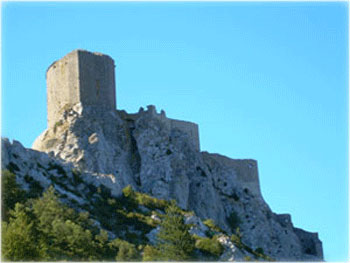
Peyrepertuse Cathar Castle


(Our property La Garenne ( HE029A) is ideally placed to explore all of this and more).


The Cathedal in the centre of Beziers - Sainte-Nazaire rises above the cobbled streets the panoramic view over the Orb River is stunning and the town boasts boutiques galore and a plethora of restaurants including the L’Ambassade, which recently got a good review in the local Anglo/French Magazine – the Herault Times.

south france villa rental
Cathedral at Beziers
This region is also a prolific wine producing area offering a vast array of wonderful wines for you to enjoy - Check out: www.languedoc-wines.com 

south france villa accommodation


People come from far afield for the famous 5 day Feria of Beziers held around 15th August every year – bull fighting may not be to everyone’s taste, but the spectacle is amazing and the street party atmosphere with open air bodegas and live music is enthralling and definitely worth a visit - www.ville-beziers.fr

south france vilas rental
Beziers Feria


Tuesday, 19 June 2012

MARSEILLAN

The Rive Gauche in Marseillan - www.marseillan.com is a lovely spot to while away those long holiday lunches, sit on the port and enjoy tapas or oysters in the array of restaurants lining the port.  Noilly Prat is opposite so why not take the tour – it is fascinating!


If you are staying at at one of South France Villas properties in the Herault, Languedoc Roussillon, such as HE011A Villa Ramistan, the village and port of Marseillan are just a stone’s throw away.

Tuesday, 28 June 2011

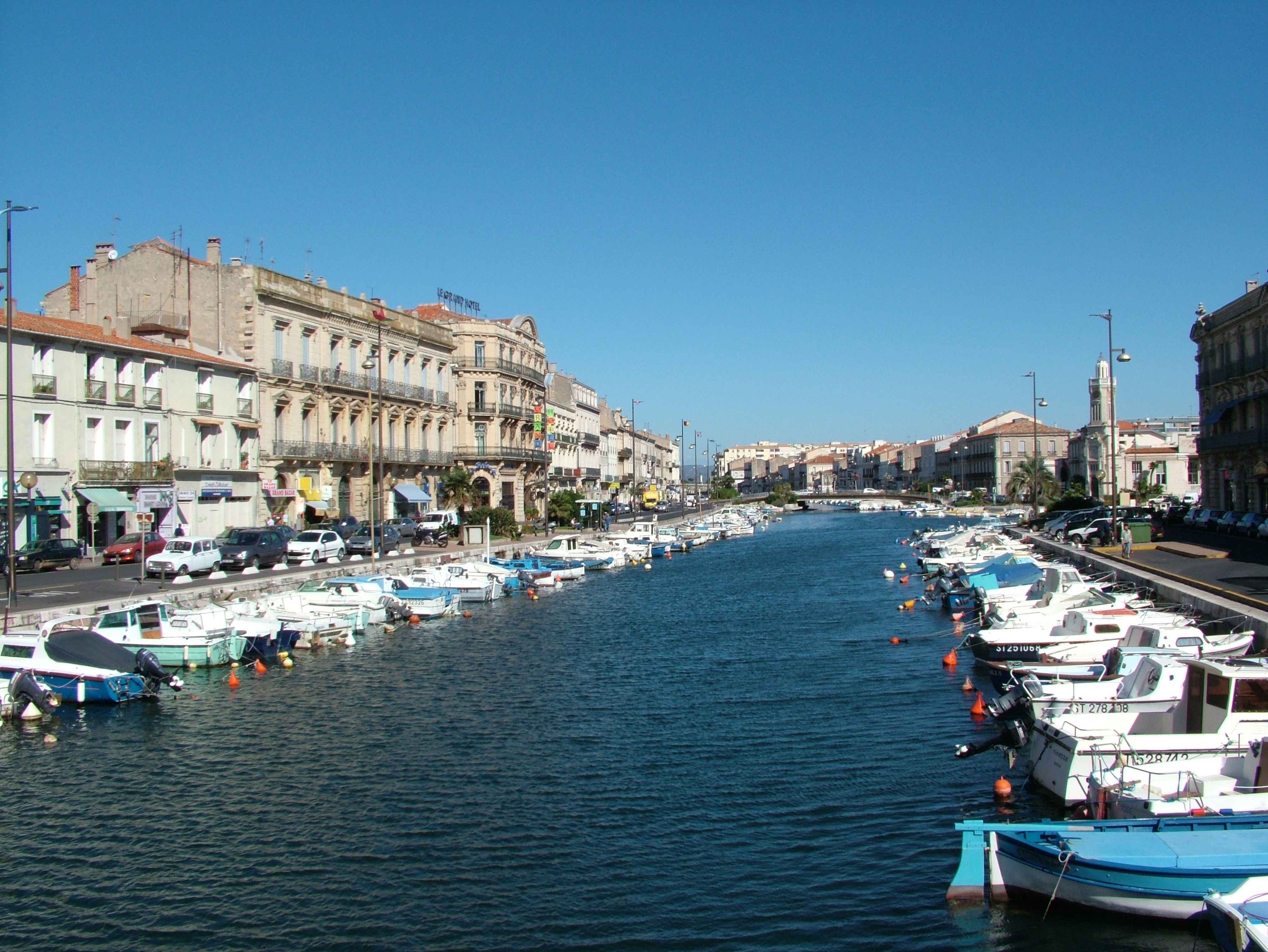
SETE- The Venice of Southern France


This romantic port town has been named the Venice of Southern France for its numerous canals and quaint streets. It is also admired for its beautiful beaches, scenic views and the rusty ochre tones in which the buildings are painted.

Although the area has been inhabited since the Bronze Age, it was sparsely populated until the 1600's, when work on the creation of the port of Sète began. The construction of the port and city took 15 years, and the work included the building of dozens of dykes, basins, bridges and aquaducts. Today, Sète's pretty port is not only a drawcard for travellers, but still functionally important, acting as a major centre for fishing in France.

The town is divided into two parts - the Port and Mount St Clair.

The Port:

Sète is great for water sport enthusiasts: sailing, swimming, scuba diving, water jousting tournaments -- Sète has almost every water sport you could imagine! The closest beaches to the town are Lazaret Beach and Corniche Beach, which are lovely. You can also see some of the fastest sailboats in the world, as Sète is where the French do their training for the America's Cup.


Jousting tournament
-- Every summer, the "Joutes Nautiques" is celebrated in Sète on the canals. It is similar to the traditional medieval jousting on horseback, except that the 'horses' are special canal boats, manned by ten oarsmen, and the knight gets a swim in the canal if he is 'de-horsed'! The winner of the tournament gets their name engraved on a shield, which can be seen on display in the Musee Valery.


Gastronomy -
Sète has many good restaurants and a number of delicious local specialties:
Bourride - monkfish in garlic mayonnaise or "aioli"
Bouillabaisse - A hearty stew combining fish and shellfish
Le Tielle - A fish and tomato tort
La Rouille de Seiche - A mix of fish, tomato sauce and aioli.

Daily markets
- The daily open-air market offers an array of fresh produce. On Sundays, there is a great flea market.


Canal du Midi - The historic Canal du Midi ends in Sète, 240km from where it begins in Toulouse. The Canal was originally constructed as a short-cut, saving a whole month of sailing, and avoiding hostile parts of Spain and Barbary pirates. The Canal du Midi was opened officially as the 'Canal Royal de Languedoc' on May 15, 1681. The Canal is quite complex, consisting of intricate locks, bridges, aqueducts, dams and a tunnel. It was still used commercially until 1989, but now the Canal has become more of a tourist attraction and place for leisure activities - such as rowing, canoeing, fishing and cruising on luxury hotel barges.

Mount Clair:
The climb up from the port to Mount St Clair is well worth the effort. There are great views of the village and port below, and also of the Pyrennees. The main cultural attractions are also to be found up here too.

Chapelle Notre Dame de la Salette
- This church has been many things - first, it served as a fort for the Duke of Montmorency, but when it was dismantled in 1632, is became home to hermits. The hermits spent their time charitably, praying for the souls of fisherman and lighting fires to warn of approaching pirates. In 1897, the structure was converted into its present form - the church, decorated with scenes of life in Sète.


The Sailors Cemetary (Le Cimetiere Marin) - This cemetary was constructed in 1843 as a resting place for sailors. It was built using old rock that had been used in the building of the port itself. The cemetary was immortalised by the poet Paul Valéry, in his poem "Cemetery be the Sea". Valéry was born in Sète and is buried here.

Musée Valéry - Nearby to his resting place in the Cemetary is a museum dedicated to Valéry. Here you can find not only mementos and works of the poet, but also exhibits relating to the history of the town. There is also a room devoted to another famous inhabitant of Sète - the singer Georges Brassens.


Sète is also a good base for exploring the South of France - it is nearby to many other attractive towns and cities, such as Montpellier, Agde and Beziers.

Villas

We have two stunning modern villas in this area that we recommend in particular.

HE063A Villa Setoise
HE065A Villas St Clair


Chic, spacious, and overlooking the beach, a holiday in either of these beautiful holiday homes would make for an unforgettable experience.

Luxury greets you from arrival, with a champagne reception awaiting you. The lovely soft furnishings ensure that you'll immediately feel comfortable and at home. Both villas contain many conveniences, such as an espresso machine, home cinema, sauna, children's games room, board games, wifi and secure on-site car-parking - as well as much more.


There is even a 4 half days complimentary water sports package, organised and provided by our in-resort water-sports manager and instructor. Enjoy water skiing, a kayaking trip, and paddle boarding. There is also a good range of bicycles for adults and children and our in-resort staff can also arrange additional activities and excursions as part of the service
.


But wait, there's more! Fresh bread, pastries and papers will be delivered on a daily basis, and the bathrooms are stocked with gorgeous l'Occitane products.

A holiday in one of these villas is truly a luxury experience!

For more information or to make a booking, please visit our website. If you have any questions, please contact us - we would be more than happy to respond to any queries you might have.


Contributions by Katarina Byrne

Sunday, 16 January 2011

NARBONNE - c'est bon!


Narbonne first bloomed when the Romans made it the Capital of their first colony outside of Italy. It remained a vital port throughout the Middle Ages until the harbour silted up in the 14th century. Narbonne then fell out of prosperity until the 19th century, when the wine industry helped get the city back on its feet.

One of the main attractions in Narbonne is the cathedral, which looms over the city with its gargantuan size. When the town was first drawing up the plans for the cathedral, it was actually planned to be even bigger! However if it had been built according to plan, it would have meant destroying parts of the city walls, so it's probably a good thing they decided on building a more modest version. There are sweeping views from the cathedral of the surrounding vineyards from the towers - although at 194 feet tall it is a little bit of effort to haul yourself to the top..!
Narbonne is famous for its fantastic markets. There are markets for food, second-hand clothing, crafts, organic produce and flowers. The food markets on Thursday and Sunday morning are particularly popular: you will find more than 300 shops settled alongside both sides of the Robine Canal, on the Promenade des Barques and the Cours Mirabeau. Nearby, you will find the Baltard Pavillion, which celebrated its centenary in 2000. It houses the 'Halles Centrales' which is one of the best food halls in France. Food lovers will be ecstatic with the choice of incredibly fresh gourmet food from more than 70 shops.


If you love a glass of wine, Narbonne is great base for exploring the nearby Minervois wine region. Vine were first introduced here by Roman legionaries. The wines in this region are mostly reds. They are a full-bodied wine and are good even when quite young.


Narbonne also has a good beach. It is a large, spacious beach and very lively. In summer, it's large enough that you can escape the crowds and have your own space. There's also quite a lot for kids - with trampolines and swings and merry-go-rounds.


Villas near Narbonne
We have some delightful villas near Narbonne.


south france rental
south france villas


AU023A Maison Henri and it's sister property Nadine AU022A Maison Nadine

These properties are perfectly placed for exploring Narbonne and the surrounding area.


If you have any enquiries or would like to make a booking, please don't hesitate to contact us.

Contributions by Katarina Byrne

Monday, 8 February 2010

Carcassone - A Fairytale City & Chateau Aragon

This UNESCO world-heritage listed city is one of the most popular tourist destinations in France, drawing about 3 million tourists each year. As the largest citadel in Europe, it provides many winding cobble-stoned alleyways in which to lose yourself in the romance of this fairytale city. 

 The town is divided into two parts - the star attraction is the the fortified city, which consists of a double ring of ramparts and 53 towers. Perhaps of lesser interest is the 'ville basse' (lower city) which lies in the shadow of the fortifications. 


History


Carcassonne was settled perhaps as early 3500BC, but it wasn't until the arrival of the Romans that it began to grow into an important city. Recognising its strategic hill-top position, the Romans began to fortify the city around 100BC. 

 You can still see the part of the fortification which the Romans built: the main part of the lower northern ramparts dates from Gallo-Roman times. It retained its importance throughout the Middle Ages, controlling a vast fiefdom. Throughout this time the city had close connections with Spain - although this was not always a friendly relationship. Carcassonne became a major defence point against Spain, as a border citadel between France and the kingdom of Aragon in Spain. 

 Yet Carcassone's real moment of fame came when it played its part in the Crusades. A stronghold of Occitan Cathars, it held out against crusading armies until August 1209, when the city was forced to surrender. After the Treaty of the Pyrenees, the military importance of the city was made redundant. Instead, it made a new name as an economic centre, becoming heavily involved in the woollen textile industry. Under Napoleon, the city was struck from the list of official fortifications. It wasn't long before the fortified cité of Carcassonne fell into such disrepair that talk began of demolishing it altogether. It took an outraged group of French citizens to get a campaign up and running to preserve the city as an historical monument - and luckily, they succeeded. Despite a few minor inaccuracies, the restoration was deemed a work of genius and today still attracts many admiring travellers.


Things to see and do

The first thing on the list is a Tour of the Ramparts - check out the tour times as soon as you get there so that you don't miss out. Tours of the main residence, ramparts and towers are run from the Chateau Comtal, and are included in the entry price. These areas can only be accessed on one of the tours. The tour puts both the history and architecture of Carcassonne into perspective, and so allows you to fully soak in the beauty of the fortification and the stories behind it.

Visit one of the most impressive Cathar sites just a short drive from Carcassonne in the Montagne Noire (Black Mountain). There are four castles at Lastours - Cabaret, Tour Regine, Surdespine and Quertinheux.


The Basilique Saint-Nazare is a beautiful 5th-century cathedral featuring stunning stained glass windows. Part Romanesque and part Gothic, the cathedral is an interesting mix of architectural styles. Its cavernous interior and the stone tablets and gravestones which hang from the walls give the cathedral a sombre and an imposing atmosphere.

The Canal du Midi was built in the 17th century to link the Mediterrnean and the Atlantic. Today, you can take a 90 minute cruise along the canal from the port in Carcassone. Another lovely option is to take a cycle or a walk along the banks, under the shade of the plane trees which line the canal. Its historical importance was recognised in 1996 when it was listed as a UNESCO World Heritage site.

There are also a number of museums in Carcassone. In particular, we recommend:
Museum of the Middle Ages, Museum of Chivalry, Arms and Archery and Museum of Fine Arts.


For more information, visit: www.carcassonne.org

Chateau Aragon (AU006A)


If you are interested in visiting Carcassone, we have the perfect villa from which you can thoroughly enjoy and explore Carcassone and the surrounding areas.

Chateau Aragon (AU006A) is itself an historical experience -- parts of this genuine French chateau date as far back as the 12th century. Only a short drive from Carcassone, you will find Chateau Aragon perched resolutely at the top of a medieval village, from which it has surveyed the surrounding plains and mountains for around 800 years. The Chateau has recently been furnished and renovated, with a refreshing breath of modernism to strike a balance with the weight and depth of the building's history. All furniture was made to order in Bali, Indonesia – using the rarest, highest quality wood with simple designs to blend harmoniously with this quality villa's character and medieval history.


This spacious luxury villa can accommodate up to twelve people more than comfortably - an abundance of sofas ensures that nobody is left without a comfortable place to sink into at the end of a day of exploring and activities. In fact, you might get so comfortable that it could be difficult to drag yourself away - a summer-time sejourn may see you immersing yourself in good book by a sunny window, or reclined cozily by the 18th century wood-panelled fireplace in winter.

Yet the luxury of the interior rooms is actually almost overshadowed by what lies outside. On the expansive terrace you will find a large dining table, perfect for Alfresco dinners - what could be better than a fresh meal prepared from local produce, accompanied by views of hilly vineyards? On a clear day, one can even see the snow-capped Pyreenees. Set amongst the blooms of the Garden are 12th Century original Gargoyles. The real jewel in the crown however is surely the ruined historic wall, which provides a dramatic backdrop to the blue of the pool. The magnificent stone edifice was once part of the Chateau's interior structure - an insight into the evolution of a building which carries the echoes of the past.


Aragon’s Château, during the 800 years since the construction of its original elements, has been the theatre of numerous conflicts, battles and jealousies. Without the ownership or military domination of the Château, the population would not be subordinated and the economic and military domination of the surrounding lands would not be secured.

The Lord of Aragon offered a home to several Cathar priests at the end of the 12th Century to protect them from the terror of the Royal Army. In 1126, as recompense for his loyal services, the Viscount Trencavel honored the Lord of Aragon with the guardianship of a tower of the Cité of Carcassonne.


Today the Château is at last peaceful, a superb villa residence, in which traces of the past harmoniously blend with the interior design and modern comfort.
Nearby activities and attractions:
- Bike hire
- Horseriding
- Golf
- Lakes and Parks
- Superb Wineries
- Mediterranean Beaches
- Restaurants

Contributions by Katarina Byrne