Welcome to the

South France Villas Blog

Showing posts with label hiking. Show all posts

Friday, 17 October 2014

Mushroom time in the South of France


We just love the new season Mushrooms that can now be found at the local markets and supermarkets, not only do they taste good but they look pretty too. I was once asked to go mushroom gathering but the 5 am pick up time put me off! However the only reason that you need to go so early is to get there before everybody else! The locals know exactly where to go but it is TOP SECRET. If you are a hiker/walker and get to far out places then you may just stumble across some great Mushrooms, that is unless you get shot by the hunters, but that is another story…

The French are great at foraging for food, Wild Asparagus, Truffles, Garlic and Mushrooms, whilst Brits can be a little apprehensive as a conscious nagging thought keeps popping up “is it poisonous?” well if in doubt you can take the mushrooms to the Pharmacy and they will tell you if you if they are safe. I always thought this was just a myth, but last year I saw a British lady with a plastic bag full of mushrooms walk into the Pharmacy, before she even got her words out there was an outcry from fellow customers  “Non ce n’est pas possible, jamais mettre les champignons dans un sac plastique !”don’t put mushrooms in a plastic bag! I never did find out if they were edible or not.

The most popular mushrooms here in the South of France are; Cepes, Girolles, Oronges and Morilles.

So if you have foraged or bought your mushrooms here are a couple of our favourite recipes.

Barbecued Cepes


A really easy recipe only 20 minutes preparation and 8 minutes cooking time.
Ingredients:

750g of very fresh cepes, 1 small clove garlic per mushroom
2 tablespoons of olive oil,1 bunch of fresh parsley, salt and pepper.


Carefully clean the mushrooms, by wiping them with a damp cloth, heat the barbecue (or grill) the best results are from a traditional bbq using old vine cuttings "sarments". Peel the garlic clove and make a small slit in each mushroom and insert the clove of garlic if they are too big just cut the clove in half. Brush with olive oil and season with salt and pepper.
Place mushrooms on the grill or BBQ and grill for 7-8 minutes, turning regularly. Whilst they are cooking, wash and chop the parsley.When the mushrooms are cooked, sprinkle with the parsley and serve immediately whilst very hot.


Wild Mushroom Fricassee

Mushrooms
Wild Mushroom Fricassee
30 minutes of easy preparation, cooking time 25 minutes.Serves 4: 
700 g mushrooms (Cepes , Oyster, Girolles or any that you can get your hands on...), 
2 small shallots, 
10cl of white wine, 
15cl of cream, 
1 small bunch of parsley, 
3 tablespoons of olive oil, salt and pepper.

Clean the mushrooms carefully with a soft brush or damp cloth (do not wash). Remove the earthy part of the stem, if some mushrooms are large, cut into pieces. Peel and finely chop the shallots and parsley.Heat the oil in a large frying pan. If using Cepes add these first and cook for 5 minutes over medium heat, then add the other mushrooms and fry for another 5-6 minutes.
Add the shallots and parsley and cook for another 2-3 minutes. Pour over the white wine, and reduce until dry then add the cream, season with salt and pepper. Simmer over low heat until there is just enough cream to coat the mushrooms (6-7 min). Adjust the seasoning. Serve immediately.
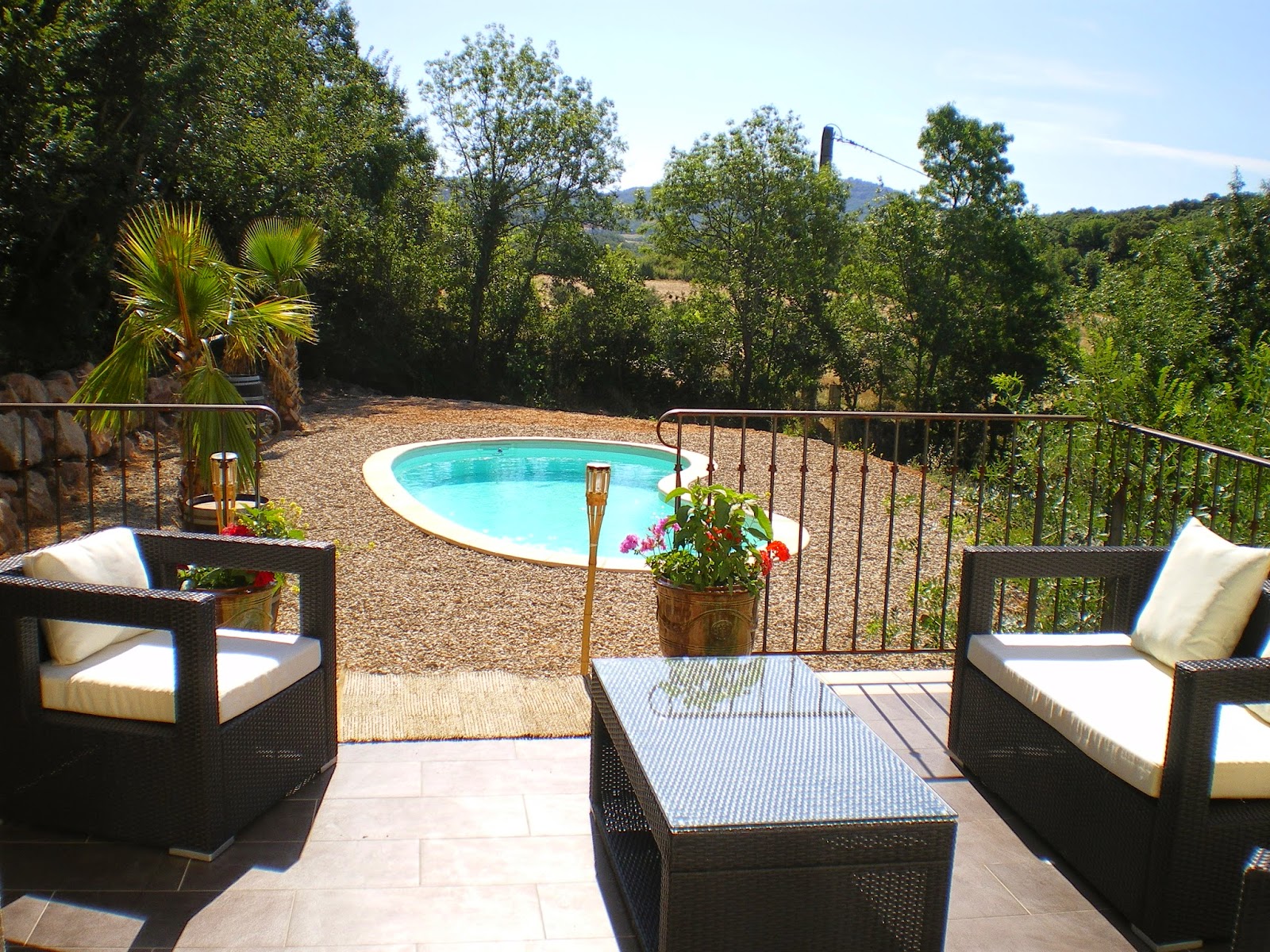
Villa for Rent in Languedoc

Why not visit one of our lovely villas in the South of France and try your hand at mushroom picking, or just visit the fantastic local markets and buy them fresh along with many other great local produce. South France Villas

Villa for Rent in LanguedocThis beautiful large holiday rental in the Haut Languedoc Natural park is perfect for lovers of total tranquility and escapism, or those who prefer the outdoors as the local walks and hikes are spectacular. A great place to try your hand at mushroom picking, take a picnic and make a day of it.
This Languedoc holiday house sits within a 700m2 garden, has a kidney-shaped pool and is totally private, standing alone amidst stunning mountainous scenery and overlooking ancient Château ruins. Idyllic! 40 minutes from the city of Montpellier, plus the South of France sandy beaches are only an hour away.


South of France Villa for lovers of total tranquillity and escapism 

Saturday, 30 April 2011

EXPLORING CORSICA

Corsica has been occupied by the Greeks, the Romans, the Vandals, the Visigoths, the Saracens, the Lombards and the Genoese. For a brief period it managed to declare itself an independent republic, and it created a constitution for itself (written in Italian). And since 1764, Corsica has (mostly) been a region of France, after the French purchased it from the Republic of Genoa.

Corsicans, however, are quite resilient - they have managed to maintain a local identity throughout all the upheavals. Despite that pretty much everyone knows French, which is the language of commerce and media, the majority of the population speak a language native to Corsica. The island also has some autonomy from the French government and is exempt from paying certain national taxes. So a trip to Corsica is an interesting experience - you’re still technically in France, but it is a very different holiday from a sejourn on the mainland. If you’ve already been the Southern France, then a holiday house in Corsica could be the perfect place for your next French holiday!
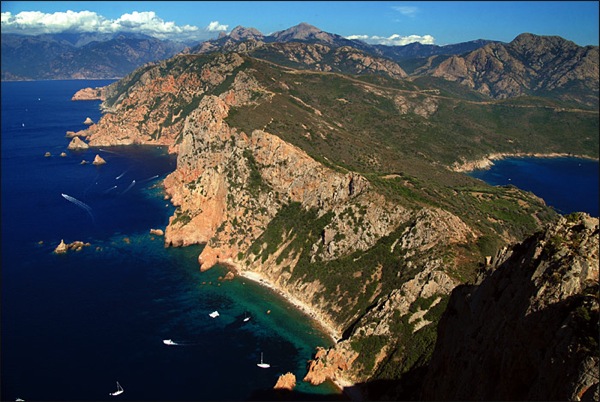
One thing which Corsica can laud over other parts of the Mediterranean is that it is relatively unspoilt, having had less development. Nature lovers (and also those who prefer to admire the scenery from afar!) will fall in love with the magnificent mountains, abundant wildlife and the one thousand metres of coastline.
Corsicacoast


What to do?
The most popular activities in Corsica are centred around the beaches - such as swimming, snorkeling, wind-surfing and scuba diving. Not to mention basking in the sun on the sand! However there’s more to Corsica than just intoxicating yourself with the sun and surf -- there are also some fantastic walks on the island. There are some stunning routes - both on the coast and in the mountains. There is something for everyone, from easy strolls through beautiful scenery to much more intense and challenging hikes. (The ‘GR20’, which winds its way from the southern part of the island, up to its north-western corner, takes most people about 2 weeks to complete!) Corsica values the land and environment and has set up National Parks to protect its natural treasures. The Natural Regional Park of Corsica was primarily created for the protection of rare animal habitats, but it also just plain stunning. The Scandola Nature Reserve is incredibly beautiful, and it is a bit of an adventure to get there, as the only route into the reserve is by boat -- the effort is generously rewarded by the sights which greet you.

Corsebeach

The Island is also popular with those with a penchant for History, as Corsica was the birthplace of Napoleon. Napoleon's birthplace in Ajaccio, a large and simple residence, is now a museum devoted to the Bonaparte family in Corsica. The museum evokes the life on Corsica in the 18th century, and introduces the Bonaparte family through a number of exhibits through the rooms of the house. Corsica’s history is much richer than Napoleon, however. You can also visit the ruined battlements of Castello, and learn of medieval adultery, family feuds, revenge killings, betrayal and treachery. There are also a number of interesting museums, displaying artifacts and traditional Corsican tools, clothes and other items. The oldest human skeleton ever found on Corsica (called the ‘Dame de Bonifacio) is on display in a museum near Bonifacio - the skeleton is thought to be an ancient 8,500 years old!

When to visit?

Corsica is typically Mediterranean with its hot, dry summers and mild winters. Up in the mountains it can get a little cool - so keep this in mind if you plan to do a bit of hiking through the mountains. Also, unless you are spending most of your time at the beach,the heat of the summer days can be a little oppressive if you aren’t used to hot weather. The wet season comes around during the winter months. So probably the most pleasant times of year are the Spring and Autumn.
Corsehill

Where to stay?
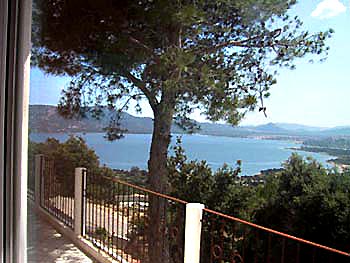
We have several beautiful villas available in Corsica. http://www.southfrancevillas.com/holiday-villas-in-corsica  One of these is the CR001A Marina di Fiori, located in Porto-Vecchio with stunning views of the Porto-Vecchio gulf. Porto Vecchio is a very popular town in Corsica - and with good reason. The beaches here are among the best on the island and there are so many flawlessly beautiful beaches and coves in the vicinity that you could spend each day of your holiday exploring a different beach. The beaches are mostly child friendly, with their shallow, warm water -- although only the most popular beaches have lifeguards. A villa in Porto Vecchio also makes a great base to explore other parts of Corsica, such as the nearby mountains and prehistoric sites inland from the town including those at Tappa and Sotta.
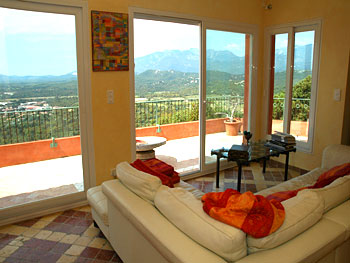
Corsevillalivingrm

The Villa itself is very comfortable, with fantastic views and filled with sunlight. With five bedrooms, a fully equipped kitchen (plus two kitchenettes), living and dining room and a private pool, this spacious villa is perfect for a large family or two families vacationing together -- with plenty of space for everybody! There is also a two-car garage, which is very convenient -- hiring a car whilst in Corsica is a very good idea, as public transport can be patchy and taxis are quite expensive.

Corsicavilla

If you have any questions or would like to discuss your Corsican holiday in more detail, please don’t hesitate to contact us! We would be very happy to help.

Contributions by Katarina Byrne

Sunday, 16 May 2010

THE CATHAR ROUTE - Castles in the Sky

Ready yourself to delve into some history and hiking! This entry will explore the Cathar Castles, in particular a couple of lofty ruins which have been named the Languedoc's 'Castles in the Sky'.
History of the Cathars


The Cathars were ascetic types - they didn't eat meat, eschewed alcohol, and avoided material possessions. The idea was that by doing this they could escape the corruption of the world. Whether they were successful or not in their endeavour, the Catholic Church took exception to differences in their religious doctrine, and in 1208, they launched a Crusade on the Cathar Church. (The fact that the Cathar nobles in Languedoc also owned very valuable land may have also been part of the motivation..!)

The inner circle of Cathar leaders, (named 'Bonshommes', or 'good men') fled the Crusaders by a route now known as the 'Chemin des Bonshommes'. It was an arduous journey of 220 kilometres, from the Medieval town of Foix, over the Pyrenees and to the relative safety of Spain. On the way to Spain, they stopped at Cathar castles for shelter. These Cathar castles were soon set upon by the Crusaders. Whilst the fortifications and geographical advantages of the sites held strong against the invaders, supplies eventually ran out and they were forced to surrender.

The sieges and massacres that occurred during these Crusades were vicious and bloody -- many atrocities were committed. Today we see the destruction and devastation of this group of people through the crumbling, stark, lonely ruins which still stand in the Languedoc region.


Cathar Hiking Routes

The routes which the Cathars used to flee from the invading Crusaders are today a destination for travellers with a taste for re-tracing history and those who simply enjoy wandering through gorgeous wilderness.

The hiking routes mostly centre around the atmospheric ruins of Cathar castles - picturesque and haunting, these majestic ruins sit starkly on the summits of rocky mountains. Their position was chosen for strategic military reasons and today we can enjoy these vantage points for their incredible views of the surrounding land.

There are many sections of the Cathar route which you can explore: the entire 'Chemin des Bonshommes' route takes around twelve days to complete on foot! But if you're looking for something a little more relaxed than a 12 day hike, we suggest renting a villa in the area and exploring sections of the route at your leisure.


At South France Villas, we are fans in particular of the walks around Quéribus and Peyrepertuse.

Peyrepertuse (meaning 'Pierced Rock')is a ruined fortress, perched at a lofty 800m in the Pyrenees. Peyrepertuse clings to a narrow, rocky ridge 70 metres wide and 300 metres long. Its precarious position makes you wonder at how such an architectural feat was possible back in the Middle Ages. How did they manage to haul building materials and construct the Castle all the way up there? It's enough of a hike as a tourist carrying only a digital camera and a bottle of water! But the exertion to reach the summit is definitely well worth the effort. Not to mention that the scenery on the way to castle is delightful in itself -- it is a winding route with lovely trees, rocks and wild flowers greeting you around every twist and turn.

Nearby, you'll find the smaller castle at Queribus. It is a shorter walk than the climb to Peyrepertuse, but steeper. The views are less dramatic here, but it makes up for this with the interior of its castle which is the more interesting and well-maintained of the two.

You need good walking shoes for both these walks, but you don't need to be an Olympian to attempt them. In fact, if you take it slow and steady, you don't really need to be very fit at all!
For more walks in this region, there are several good books which provide extensive information. For example, this one from amazon.com.
Another must-see in the region is the city of Carcassone -- you can read all about it in an earlier blog entry here.


Villas in the area

We can recommend a set of three beautiful holiday villas owned by a couple in the village of Cascastel, with lovely rural views over the surrounding vineyards. They are separate accommodations and are generally rented individually, however large groups can rent two or even all three of these luxury villas.

The owners run an organic 12 hectare wine domaine from a wine 'cave' next door - so no need to travel far for a wine tasting! The villas are typically French, built in the early 20th century - although since then the owners have renovated them to include modern conveniences, such as ensuite bathrooms.

AU010A Maison Guilhem 10-14 people
AU012A Maison des Vendangeurs 10-12 people
AU014A L'Estiu 4 people


If you don't want to spend all your time hiking, there are plenty of other things to do in the region also. Nearby to Cascastel you can find beaches, canoe hire, bike hire, golf, horse riding, hang gliding, boules, vineyards, a African Safari park and more! Also there are some great historic towns to discover, such as Narbonne, Carcassone, Beziers and Montpellier.

We hope we've inspired you to discover this wonderful part of South France - if you have any enquiries please VISIT OUR WEBSITE  www.southfrancevillas.com. We'd be more than happy to help!


Contributions by Katarina Byrne

Saturday, 10 April 2010

Eze - The Fairytale Village of the Cote D'Azur: Beaches, U2 & Botanical Gardens

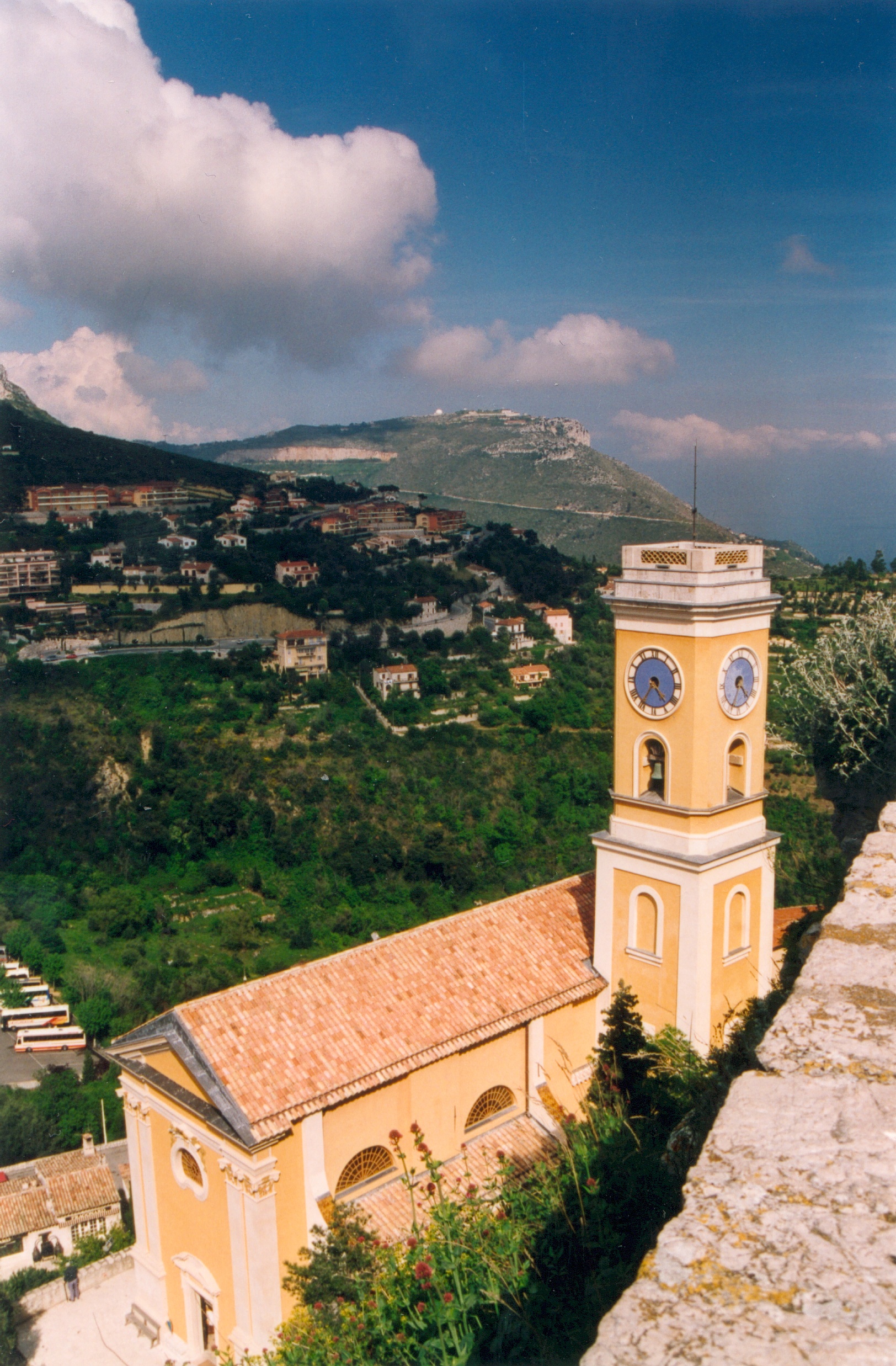
Eze is a town so picturesque you can barely believe it's real. Perched precariously 427 metres above sea level upon a hilltop which runs down to the seaside, this medieval jewel is a holiday destination to rave about. Coastal, tropical and historical - what's not to love about this place?


The beach is easily accessed from the village - it's about a half-hour walk down Chemin de la Mer, shaded by pine and olive trees. Once you reach the bottom, you will find typical Mediterranean beaches and plenty of things to do - water sports, swimming, sun-bathing, alfresco dining, picnics.

 If you are a U2 fan, you could even hunt for Bono's villa - the beach which it overlooks was the location for the filming of the video clip for U2's song 'Electrical Storm'.

Yet Eze is not simply a coastal town - it has even more to offer. Nearby is an enormous forest of over 600 hectares. If you enjoy hiking through natural splendour, you should be more than satisfied with what's on offer here. 

The vegetation in this region is lush and tropical - the warm climate fostering the growth of bananas, dates, oranges and pine trees.

The Village itself also offers many hours of exploration and enjoyment. Set upon on an imposing cliff overlooking the ocean, it isn't hard to lose yourself in the stunning panoramic views. Wander the narrow winding streets and browse the many boutiques. Some of these shops are in charming cave-like buildings, carved into rock. Squeeze inside these tiny boutiques to browse for some original gifts or art for those unlucky enough to be left back home, or even a special gift for yourself!

Eze also contains an exotic botanic garden with rare species of plants, with 360 degree panoramic view of the Cote D'Azur. The collection of Cactus from Africa and America is a refreshing contrast against the French countryside. Among the succulents are 400 species of exotic plants flourishing in the mild, warm climate of Eze. The gardens were created in 1950 on the ramparts and ruins of a 12th century castle.

If these descriptions aren't enough to convince you of the town's enchanting fairytale charm, take it from Walt Disney, who spent a great deal of time in Eze. According to the locals, the town also inspired Nietzsche in the writing of his famous work, 'Thus Spoke Zarathustra'.

This village is extremely popular and sometimes the charm of the town can be overwhelmed by the swarms of tourists - don't let this put you off though. 

 Generally, the masses of tourists only stop in the town for a few hours, snapping up a few souvenirs before jumping back on to the bus and driving off to the next town. 

 So while it may become swamped by tourists for a few hours around the middle of the day, the town remains relatively quiet during the early morning, late afternoon and the evenings.  

If you want to avoid the hub-bub, go for a picnic on the beach or in the forest during the middle of the day, and return to lazily stroll through the village as the sun begins to head for the horizon. If you really want the place to yourself, avoid summer and enjoy it in the spring or early autumn.

Another plus about this town is that it is only a few kilometres from Nice - one of the best cities in France. There's plenty to do and see in Nice and it is well worth taking the time to explore it. It is also very close to ritzy Monaco if you feel the need for some glitz and glamour.

Where to stay?

For a range of luxury villas in Alpes-Maritimes visit our website www.southfrancevillas.com.


Contributions by Katarina Byrne

Saturday, 13 March 2010

Gordes - The Heart of Provence: The Luberon - Hiking & Lavender

Peter Mayle's books about his life in the Luberon - a region in Provence - made the region famous amongst Anglophones. 

 His lively anecdotes caused many a day-dreaming armchair traveller not only to visit the Luberon - but in fact it inspired many to uproot their lives and move into their own beautiful French villa in the picturesque Luberon.


Peter Mayle was not the first person to discover the Luberon, however. Long before the 1990's, Provence intoxicated people with its natural beauty. In the 19th and 20th centuries, famous painters and writers flocked to the area in search of inspiration. The painters in particular were drawn by the special quality of the light. 

The light in Provence has an exceptional clarity, caused mostly by the famous 'Mistral' wind, which removes dust from the atmosphere and increases visibility. Van Gogh, Cezanne, Matisse, Renoir, Picasso, Monet and many others travelled to the area, fascinated by the effects of the light and the beauty of the landscape. This region of Southern France also enjoyed a particular vogue during the 20's and 30's with English writers.

And yet despite the ever-increasing interest in the Luberon, it has largely managed to remain the idyllic, wild and charming place which caused all this fuss in the first place. You will still see old men playing Petanque (Boules) on a lazy sunny afternoon, you will still find small isolated villages clinging precariously to wild rocky mountainside, and you will still feel the intoxicating energy which has inspired so many artists - whether you are artistically inclined or not.

The Luberon - places to go and things to see


The Luberon is arguably the true heart of Provence: a land of rugged limestone cliffs, wind-swept mountains, old stone huts and ruins, crumbling farmhouses, and beautifully-restored homes. And above all, sweeping views of the stunning landscapes. We would recommend that you make a top-quality vacation villa your home-base in the Luberon, and make day-trips to explore other areas in South France. That is, if you can pull yourself away.


One of our favourite spots is a little town called Gordes - officially one of the most beautiful towns in France. What makes it so special? The approach to the town is spectacular - white stone buildings grasping hold against the side of the sharp cliff of a mountain. Find yourself wandering its charming streets which form a labyrinth of winding cobblestone, perusing the weekly market, or throwing yourself into its vibrant art scene.


Hiking is very popular in the Luberon. It not only offers stunning landscapes, but there is also a surprising variety amongst these landscapes. There's little chance of becoming weary from repetitive views in this region of France. Not only is there scenic variety, but there are also trails which vary in their level of difficulty and length -- so regardless of your experience, there will be something to suit you. For more information in hiking in the Luberon, this page from Slow Travel France is very informative and useful.


When you think of Provence, one of the first images in your mind will probably be of fields of Lavender. In the Luberon, you can find an interesting museum on that very subject - the Lavender industry. The Lavender Museum collection includes photographs, artefacts, a video and a very good audio guide. There is also a gift shop where you can buy many quality Lavender products. The best time of year to visit the museum is from the first of July through tp the 25th of August (except on Saturdays!), when you can watch the harvesting and distillation of the Lavender in a copper still dating from around 1900. (During the rest of the year, there is a 10-minute video showing these processes.)

The Markets in the villages of the Luberon are a festive affair not to be missed. Some of the busier markets verge upon a carnival-like atmosphere, with many different things to see, sample and buy. The centre-piece of these markets is the fabulous fresh food. Pick up some fresh cheese, vegetables and fruit and head off into the countryside for a picnic. What could be better than that? You will also find clothing, jewellery, crafts, and many other things.


Finding a Villa


We have many beautiful villas in the Luberon to suit various holidays. Below is a selection of high quality villas from the Luberon region. Please don't hesitate to contact us - we would be more than happy to assist you.

The Cypresses - 15 people - Gordes
Maison Bijou - 8 people - Goult
Maison Sophie - 8 people - Goult
Maison Amandine - 8 people - Goult
Maison Cerise - 8 people - Goult


Contributions by Katarina Byrne